
Magazine. Souk. Events. Studio.
Arab creativity, in all its forms.
Nada Debs
An Artistic Journey With A Multicultural Vision And A Wholesome Approach
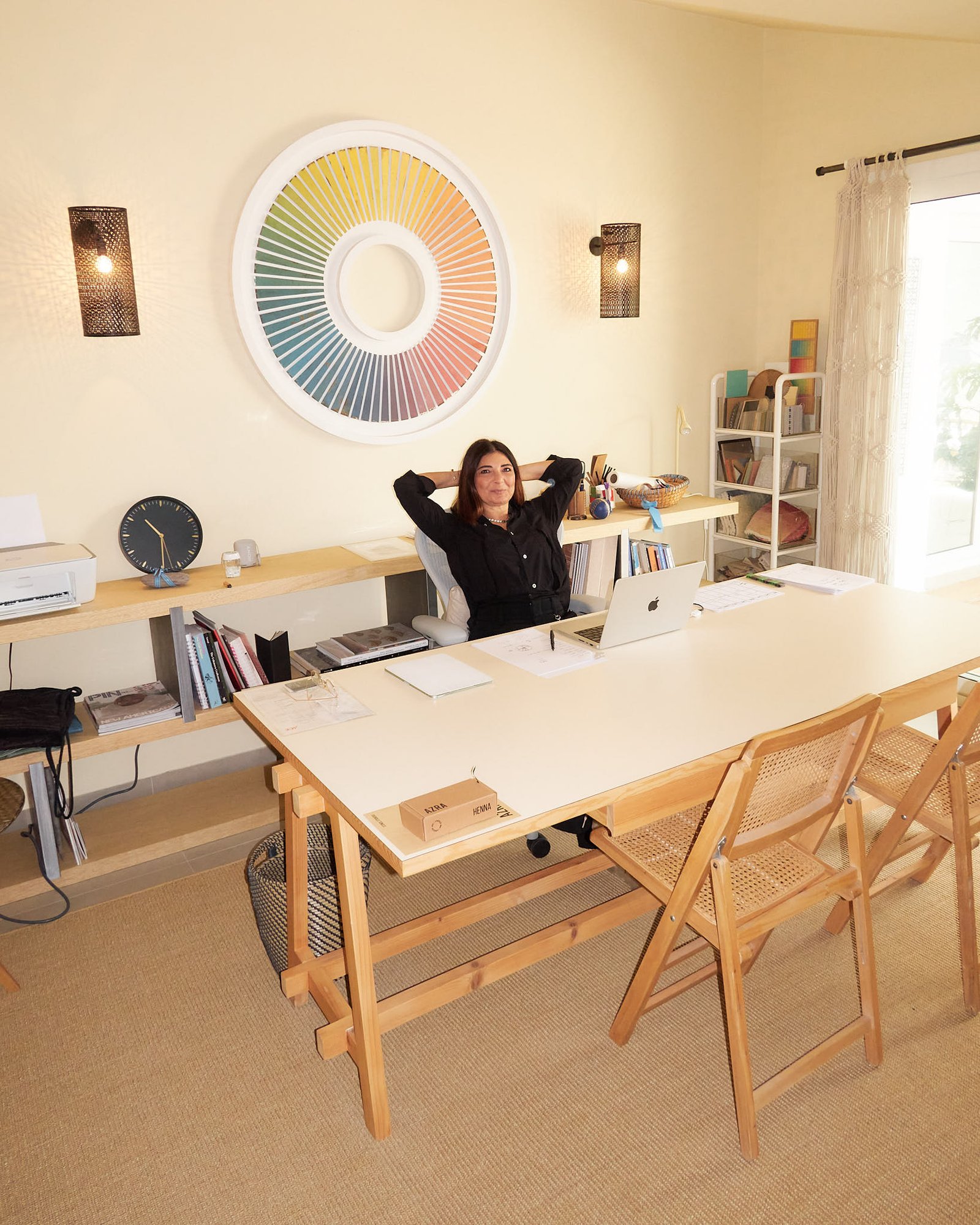
DIVAZ x NADA DEBS
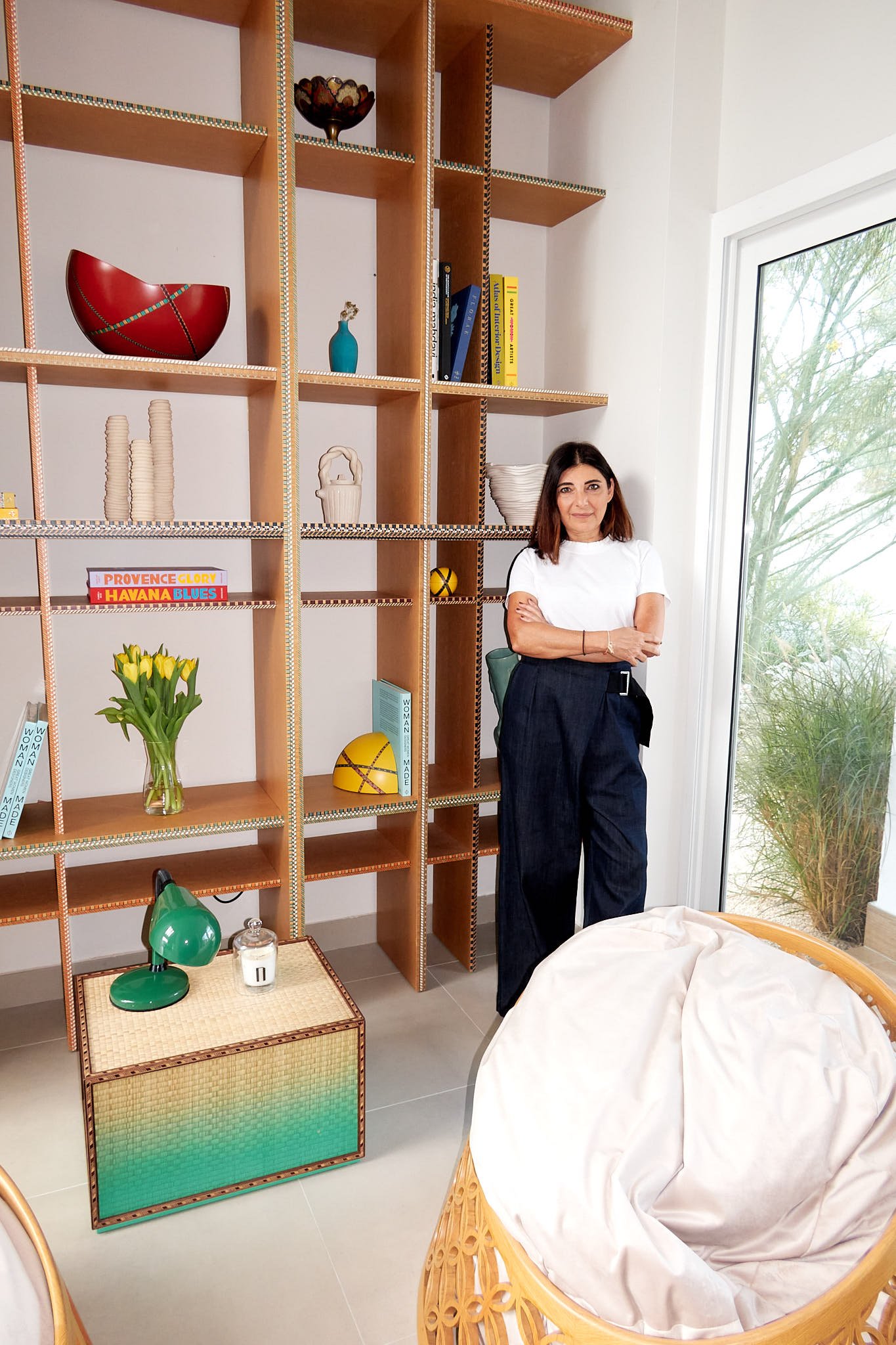
With a rich blend in a background that combines Lebanon, Japan and The States into one person’s experience, it is safe to say that Nada Debs and her studio aren’t an everyday occurrence, but rather a sight to behold.
Emotion takes center stage in Debs’ work, epitomized by the “handmade and heartmade” ethos. Not only that, but her journey also intertwines cultural identity with immaculate craftsmanship, revealing a deep connection to Middle Eastern roots and a desire to bridge diverse cultures as well as tell a story with each piece of work.
Divaz explores the significance of her approach, emphasizing how the artist weaves personal experiences and a sense of belonging into every meticulously crafted piece, in addition to learning all about her journey from how she landed where is now to where she is flying off to next.
Credits:
Production DIVAZ Studio
Photography Ämr Ezzeldinn
Digitech Bory
Article Aya Nassar
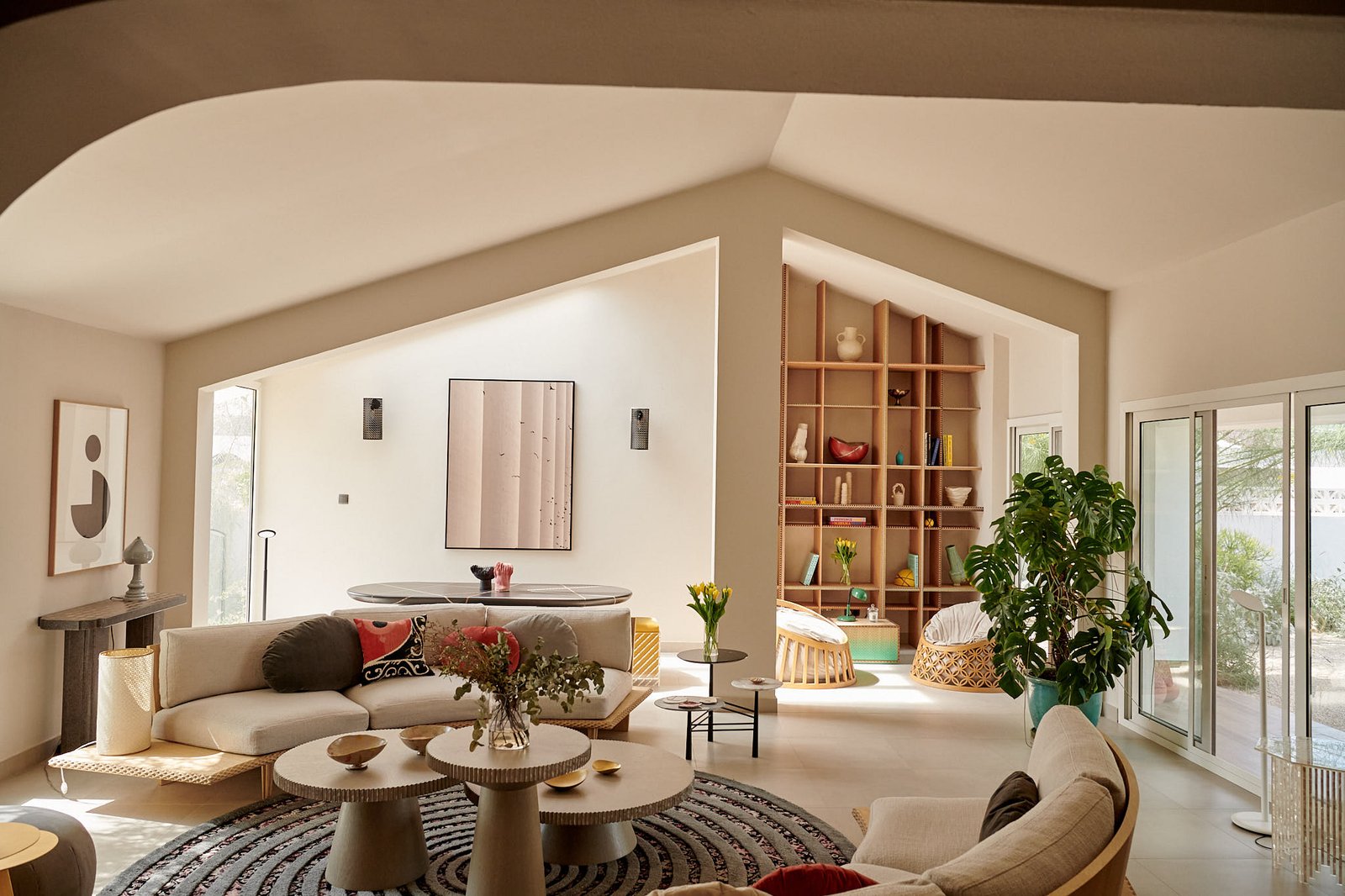
Let us start from the very beginning, you’re Lebanese, but you grew up in Japan and studied design at the Rhode Island School of Design in the United States. How has this fusion of experiences happened?
Actually, my family moved to Japan in 1917, my great uncle, and I grew up there.. My father was there from the age of 20. So, for us, it was very natural to grow up in Japan, but being in Japan was not enough. I was always drawn to the sense of belonging. I wanted to somehow find my roots and part of it was really traveling and studying abroad. Rhode Island school of design was one of the really good schools that I studied in and I got very much inspired by. It really gave me the tools to design conceptually and I’m really grateful to it. All these experiences, growing up in Japan and being an Arab and studying in America, exposes you to so many different cultures and makes you see these cultures in an objective way without judging and, hence, I was able to use all this upbringing, the aesthetics of these different cultures and countries, in the work.
What first inspired you to pursue this field of furniture and handmade pieces? How did you start?
I studied interior architecture at the Rhode Island school of design and I was even licensed to practice interior design in America. It was a license called “NCIDQ” and what I wanted to do was move to London and work for an American firm since I knew about the American way of interior architecture, but when I had moved to London, I found out there was a big recession and many of the American firms were closing their offices so I didn’t have a chance to work for an American firm. Then, however, I was just moving to a new home and I needed furniture so I started designing some. While I was working with some designers and craftsmen in London, I suddenly was exposed to all these different craft techniques like marquetry. I started a line for children’s furniture, since I was pregnant with my boy then, and started working on furniture using this technique so this is really the first touching base with craft.
The emotional resonance of your products is a huge aspect of your work. How did you decide on the “handmade and heartmade” approach and why does it have such an impressively huge role in your work?
For me, emotion is something very important. Of course, everyone talks about having pieces that are functional, but, to me, emotion is also a function. So feeling good, relating and connecting to a piece, is something really important and relating to identity. A big aspect of my work is relating to the Middle Eastern identity which is something I lacked because I grew up in Japan so I missed what my culture was and I wanted to know. The term “handmade and heartmade” is exactly related to that. When you’re making a product by hand, there’s also the passion of the human being that is working. It’s not handmade without an emotion of somebody. In a way, it’s like cooking for someone when you’re in a good mood then the food comes out really good. So there’s a relation between emotion and handwork. This is why we talk about our products being handmade and heartmade.


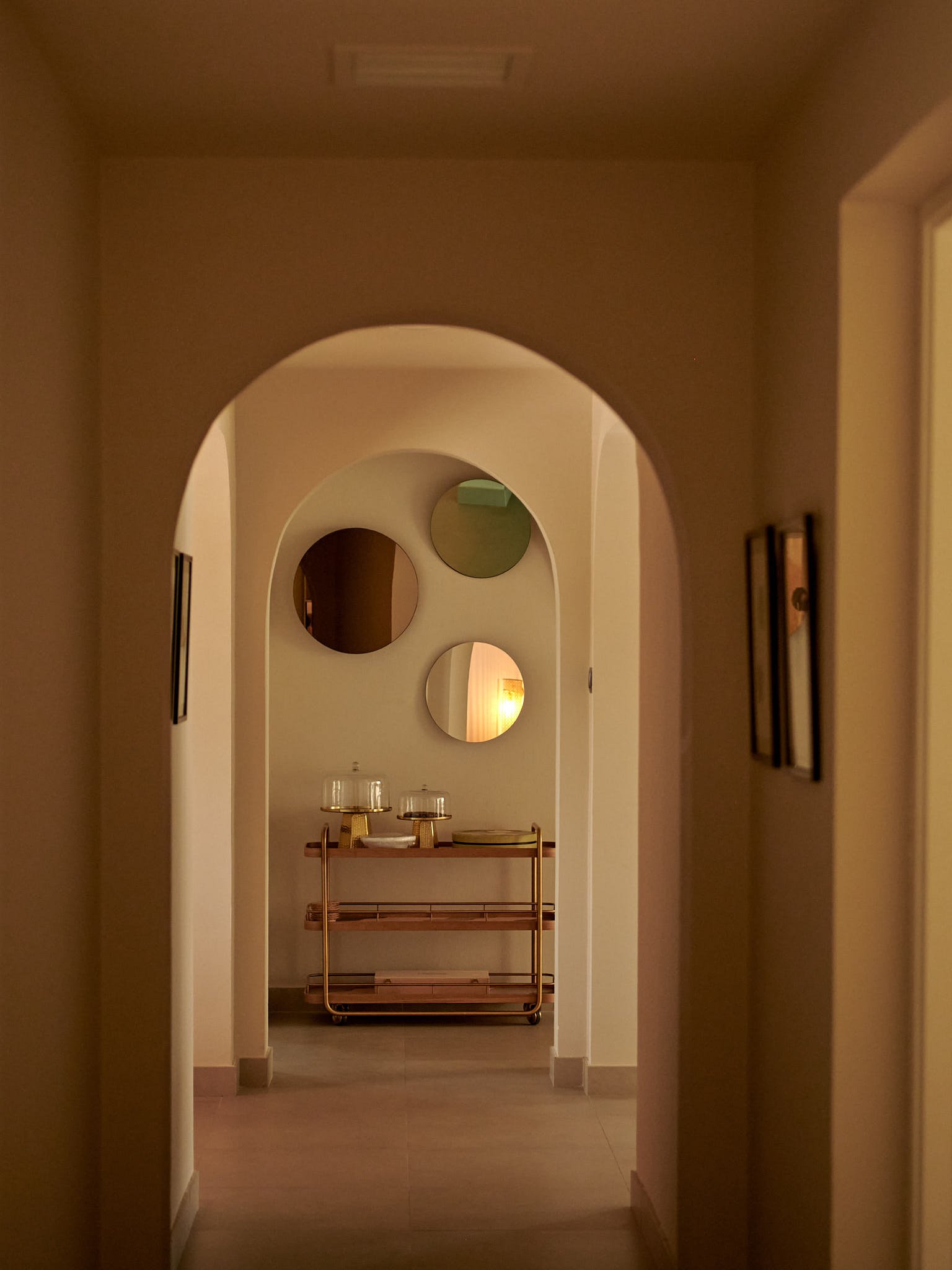
Your showroom and studio space is designed to enhance visitor interaction with your designs. Could you share some specific features or design elements in the space that facilitate this interaction? How did you think of them and make them come to life?
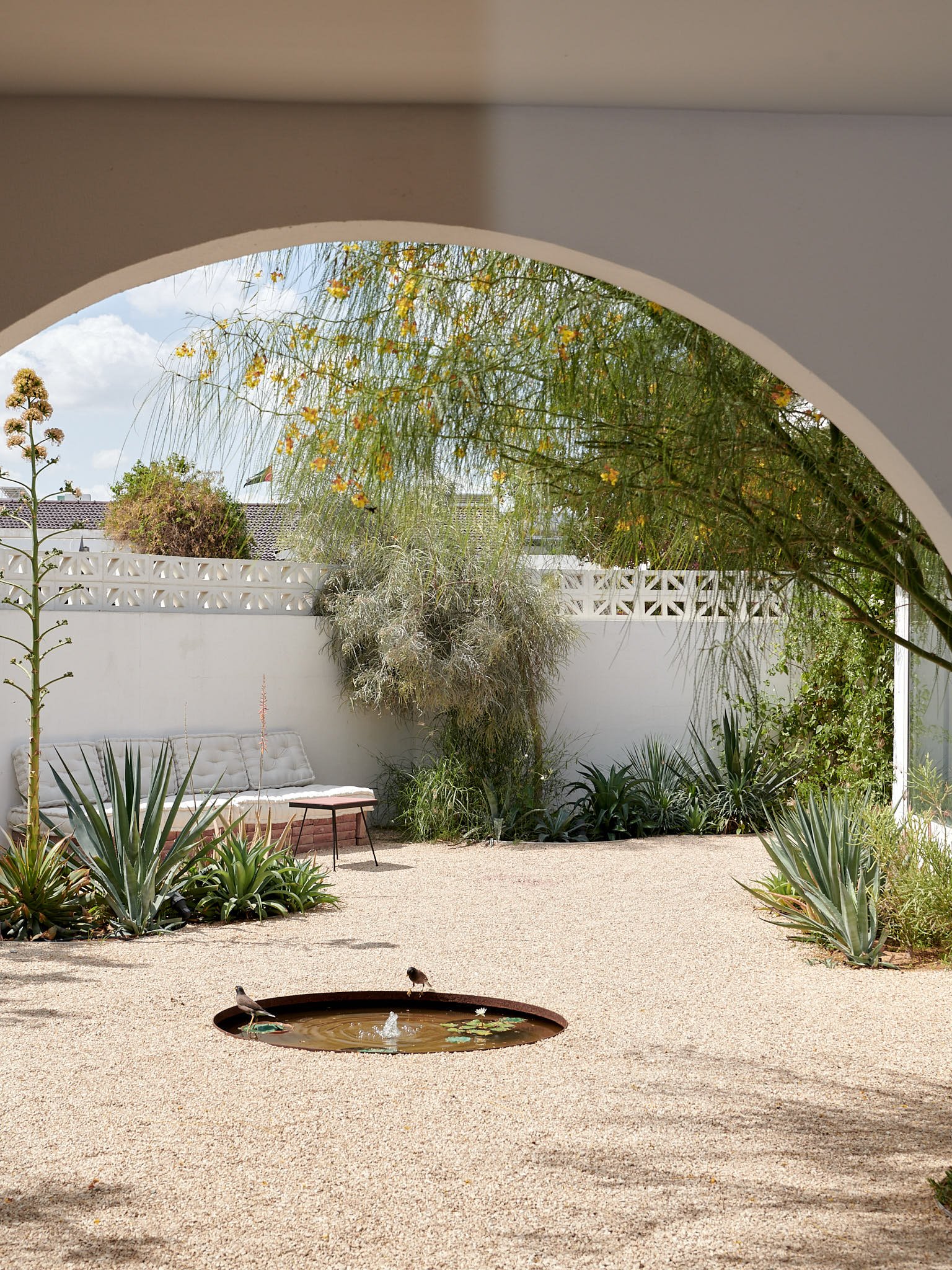
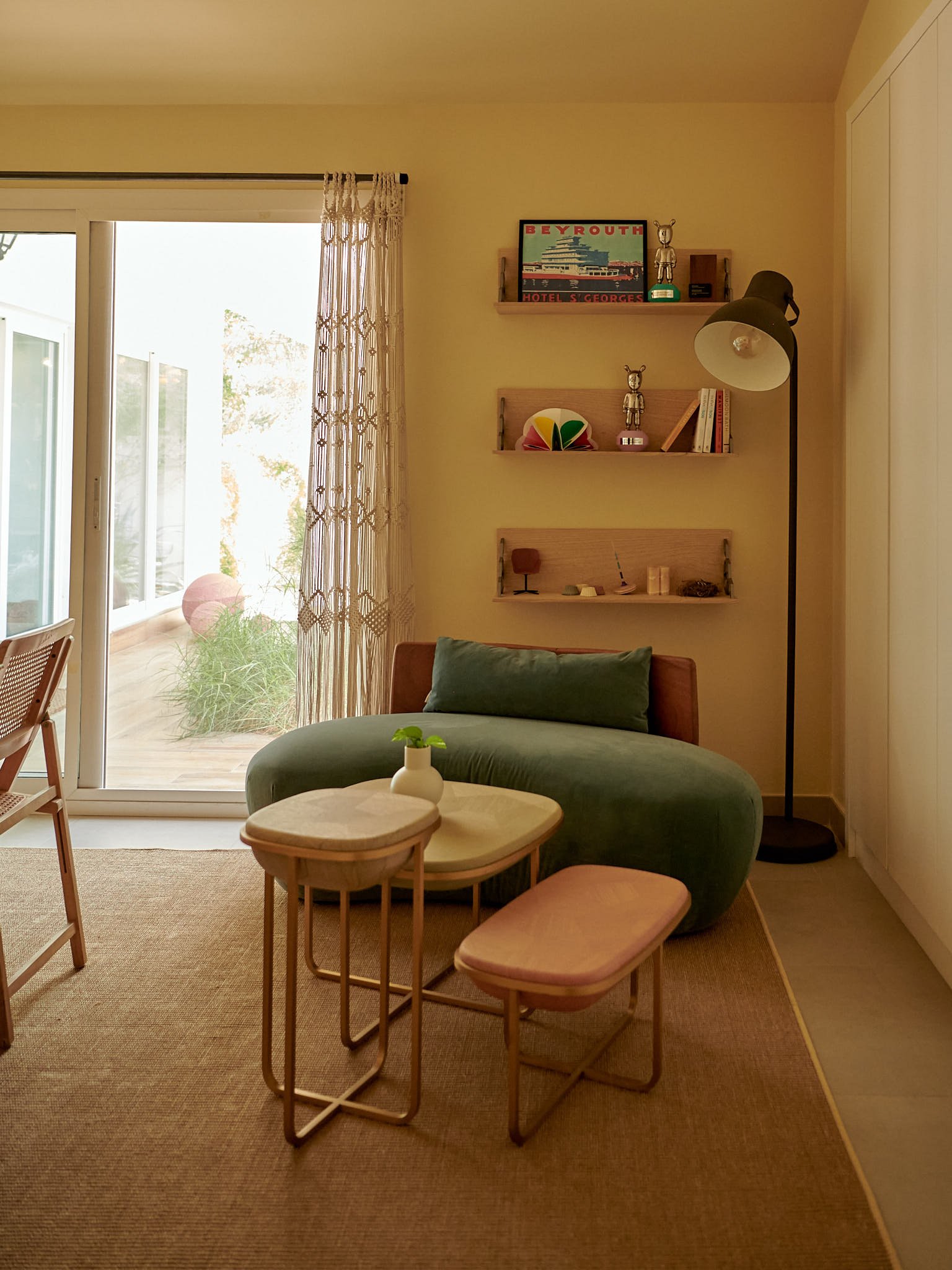
First of all, our studio space has a room called “Sample room”. This is the room where all our crafts samples exist. We start with the traditional craft and, then, I start introducing materials and colors and textures and I try to work with them to come up with new techniques. Then, this is what is applied to furniture. We often get clients who come in and they’re looking for a coffee table or a cabinet, for example, and what I’d ask is what techniques would you like to work with, what materials, and so, we walk into the sample room and we start looking at the different materials that we could work with and the craft techniques and then we start working on the form, the shape, and the size, of the piece. So it’s a very nice collaboration with the client and gives the client the opportunity to express themselves creatively.
Your designs are known for blending traditional techniques with contemporary aesthetics. Can you elaborate on your design philosophy?
Basically, my upbringing in Japan gave me this understanding of the minimalistic approach and bringing things down to its essence. In Japan, the way the Japanese people design is that they try to really address the actual essence of whatever it is that you want. For example, let’s say we’re talking about Middle Eastern patterns. They would express it in a simple, pure form. So, for me, the form of the pieces is always not very complicated as I like to work with pure form. When the details come in, it is where the craft stands out. So it’s not the form that is important for me as much as it’s the craft technique that I use. So usually I start with the craft sample and I try to see what is the best way to bring out the craft in a way that is seen and appreciated. This is how I mix contemporary lines, so simple modern lines, with traditional craft. What I like to do is to make sure that there is not too much of one or the other, that there is a real blend between the form and the actual craft technique.
Your innovative use of materials and combining function with form and feeling is impressive! Could you share some examples of unique materials you have incorporated into your designs and how they contribute to the overall aesthetic and functionality?
I could use the example of marquetry. What I like to do is explore different craft techniques of the Arab world and one of them was the actual marquetry technique that is used in traditional backgammon games. What I tried to do is look for the actual crafts people that do it. I found that this craft technique is really a beautiful and detailed technique and I wanted to add a contemporary edge to it so it was more about bringing new colors, fresh ones, and more pure geometric shapes rather than sticking to arabesque patterns. Also, the way I’d apply it is that people usually apply it in a straight, flat way but I thought it would be really interesting to apply the marquetry on curved forms. This created a completely new identity of using marquetry on very curved forms like bowls and the edges of dining tables for instance.


As a designer with a multicultural background and an international presence, what challenges have you faced, and what rewards have you found in navigating and bridging cultural differences through your designs?
My international background has really helped me realize that we can actually really apply different techniques in one piece so to me being able to use all my aesthetic knowledge into one piece is really interesting. For example, I made a bar unit where I combined Japanese patterns as well as Arabic patterns and it actually blends together in a very interesting way. The challenges I face are mainly production challenges because we’re in a society where repeat work is very difficult. If you want to order 500 or 1000 pieces of one thing, it is much more difficult than ordering one very exclusive, large piece. In my case I’d been very very fortunate to have very interesting and very enthusiastic craftsmen who are willing to experiment, as there are sometimes ones who aren’t willing to work in new ways. For me, though, I like to work with people that are open-minded and willing to take challenges and work on new techniques. It’s been a very amazing journey especially that I’ve been working with Palestinian women in camps or Afghan women who do carpet weaving so I like to work a lot of craft communities.
Can you provide a glimpse into any upcoming projects or design directions you are excited about? How do you envision the evolution of your work in the future?
What we’re finding is that we’re starting to enter the world of building the brand and expanding internationally so we have limited-edition furniture as well as home accessories and we envision expanding internationally on both fronts. Also, the future is taking the home accessories into multiple stores and, when it comes to furniture, working with galleries in Paris and the States while also showing in shows like Design Miami. We’re also constantly exploring new craft techniques and every time it’s like an evolution of what I’ve done before so there’s always like continuity in our craft techniques and, in addition to that, we’re also moving a little more into interior design and architectural features like screens, doors, built-in cabinetry, etc.
Who is your ultimate DIVA?
Regarding the diva, actually my diva is my grandmother. She passed away two years ago at the age 102. For me, she taught me the value of time and the wisdom you have over time because she was someone who was able to see things from a distance. Whenever I had some worries, she would always say time will resolve whatever problems you have. So she taught me to stay really calm and collected and not compare myself to others and continue on my journey, saying each person has their own journey. She used to always give me really good advice on life and work.
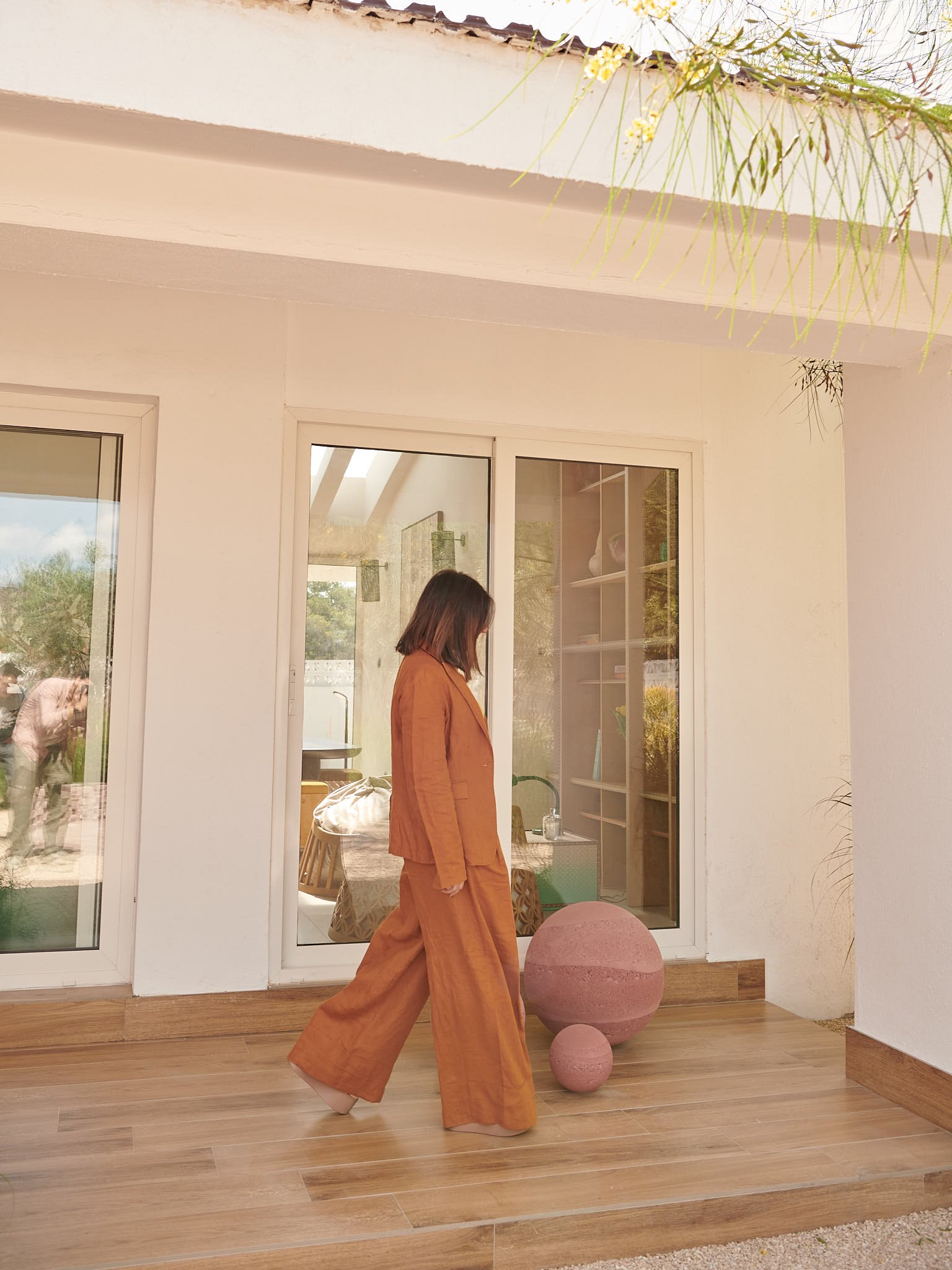



Shop this story

DIVAZ Publishing: Creatives of Culture
1,500.00 EGP
Keep exploring.
Waleed Arafa
In the world of design and architecture, the idea behind a successful design is fundamental. Whether the idea is clear or even relies on the absence of a…
Omar Gabr
Omar Gabr, an Egyptian visual artist whose work spans painting, sculpture, and carpet design, always seeks to express himself through his art. A deeply personal experience reshaped his…
Omar Al Gurg
More than 1,000 designers, architects, and creative professionals from more than 50 countries came together for Dubai Design Week’s historic 10th edition to share ideas and showcase the…