
Magazine. Souk. Events. Studio.
Arab creativity, in all its forms.
Azzedine Alaia-Dingiri
From A Working Class Attire To A Fashion Statement by the legends
The Evolution of Tunisia and Azzedine Alaïa’s Famous ‘Dingiri’ and its Enduring Legacy
By Aya Nassar
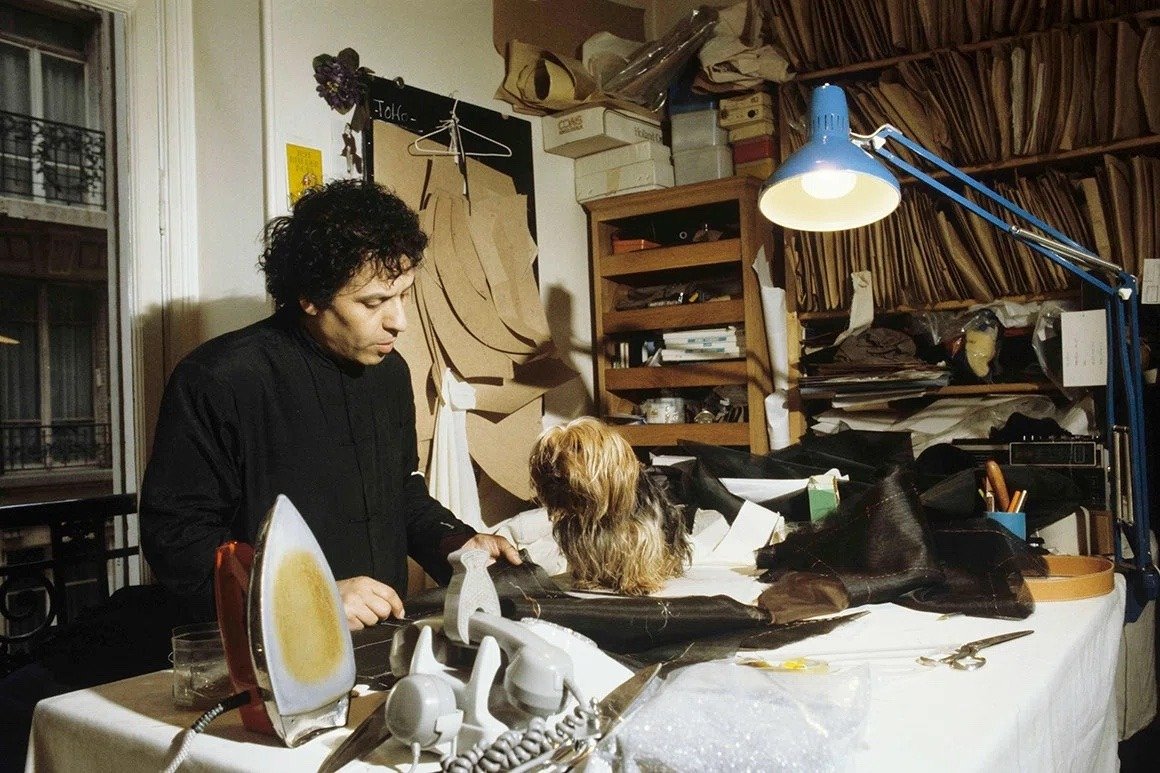
Despite its seemingly simple outlook, consisting of a buttoned shirt and wide trousers, the “Dingiri” captures the attention of Tunisians and holds a special place in their hearts, including the heart of the esteemed Tunisian couturier and shoe designer, Azzedine Alaïa.
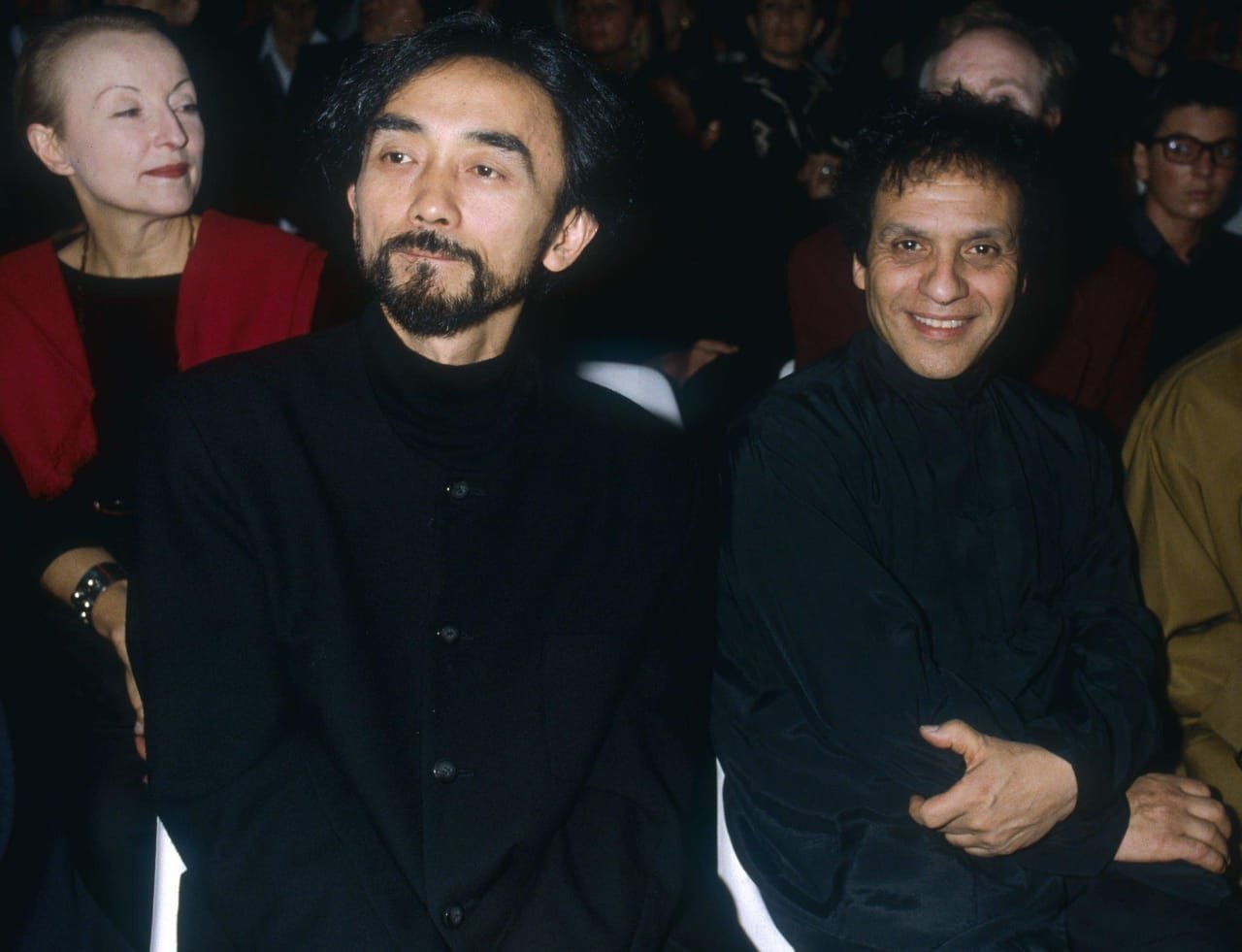
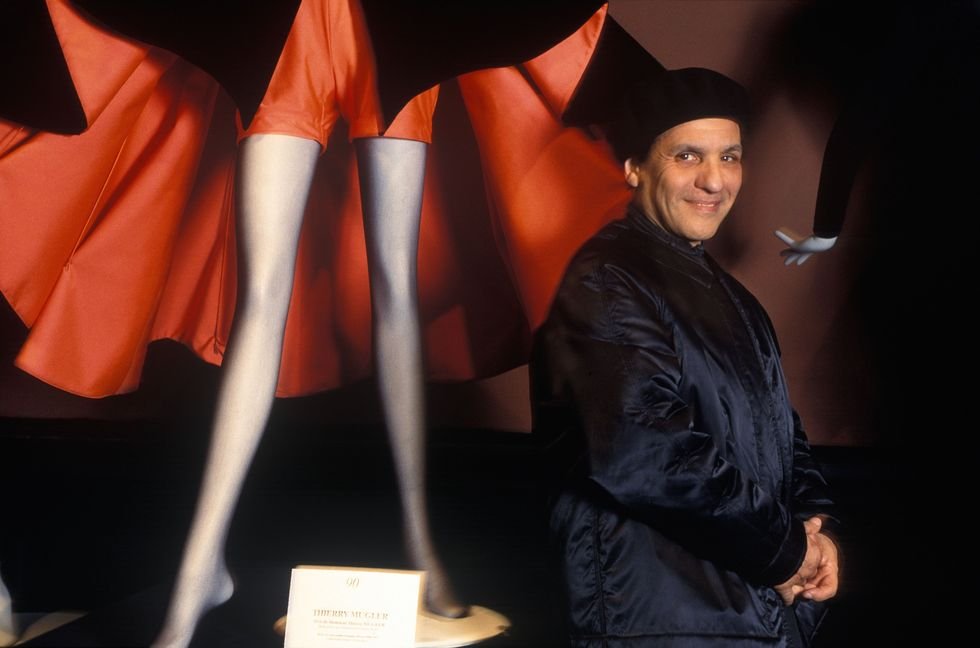
In a very powerful statement and an undeniable homage to his culture, Alaïa was constantly seen throughout the years wearing the Dingiri, that looks almost exactly the same as if it’s just one piece, that the Tunisian attire became the signature look associated with him. It is only fair, then, to have a closer look at the attire that captures so many hearts including that of one of the most creative and artistic minds in the region that left his global imprint.


Ironically, the history of this attire, which initially symbolized the working class and the marginalized, dates back to the early 20th century as it was originally made of cotton for Chinese workers in the early 20th century in the city of Dingiri. It gained popularity during the Chinese Cultural Revolution led by Communist leader Mao Zedong in the 1920s and it symbolizes dedication to work, worn by dockworkers and port laborers.
Although its origins are Chinese, it was after a while worn by rural and working-class Tunisians too. Not long after, as Tunisia progressed and modernized, the Dingiri began to undergo changes. Influences from other cultures, as well as Western fashion trends, started to shape the attire.


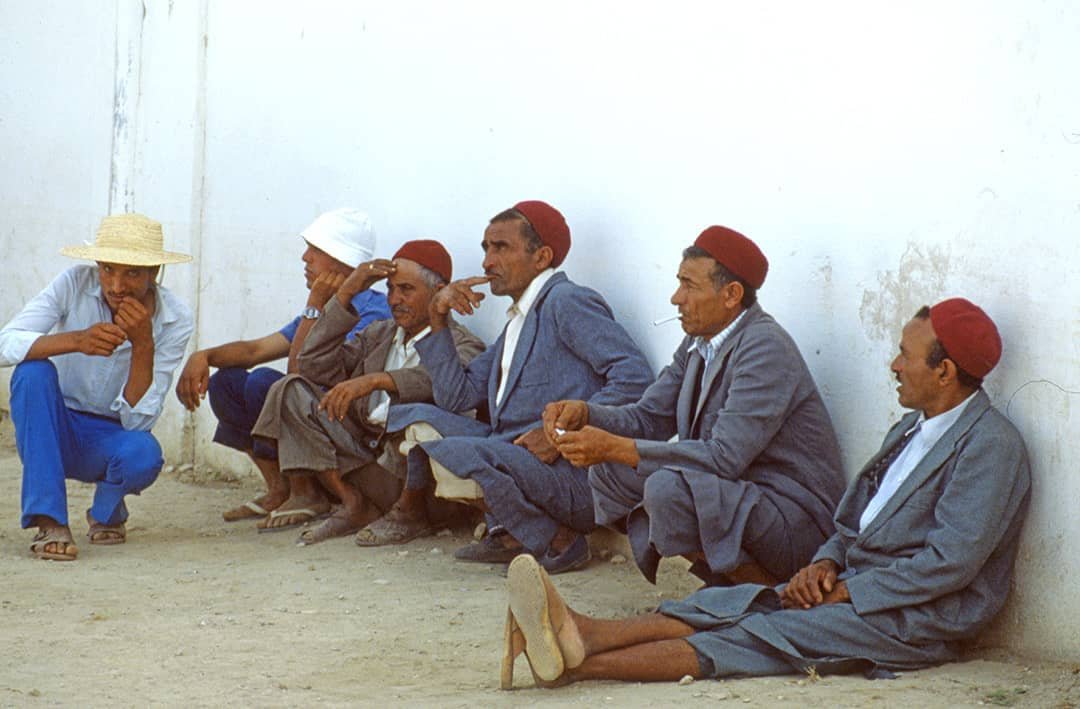
In the mid-20th century, the Dingiri experienced a shift towards more refined and tailored designs. The Dingiri also started incorporating various decorative elements by Tunisian designers. Embroidery, intricate patterns, and colorful stitching began to adorn the garment, adding a touch of elegance and individuality. These embellishments were often inspired by traditional Tunisian motifs and symbols, reflecting the country’s rich artistic heritage.
With that, fashion managed to transform it from a stigmatized garment associated with the working class into a trendy, modern attire sought after by young people and older generations alike. Over the years, the Dingiri has undergone various transformations, altering its symbolism and original identity while quickly becoming a part of Tunisian identity and Tunisia’s rich heritage.


In recent years, designers and artisans have been working to revive and modernize the garment while staying true to its roots. They experiment with different fabrics, colors, and styles to create contemporary interpretations of the Dingiri, appealing to a wider audience both locally and internationally.
Today, the Dingiri has become more versatile and is not limited to formal occasions. It can be worn in various settings, from casual outings to special events. The traditional ankle-length version is still popular, but shorter variations have also emerged, allowing for greater comfort and ease of movement. Additionally, the color palette has expanded to include a broader range of hues, reflecting changing fashion preferences.
The evolution of the Dingiri throughout the years showcases the resilience of Tunisia’s cultural heritage. It serves as a reminder of the country’s history and traditions, while also embracing modern influences. The attire continues to be cherished and worn proudly, representing Tunisian identity and craftsmanship.

Keep exploring.
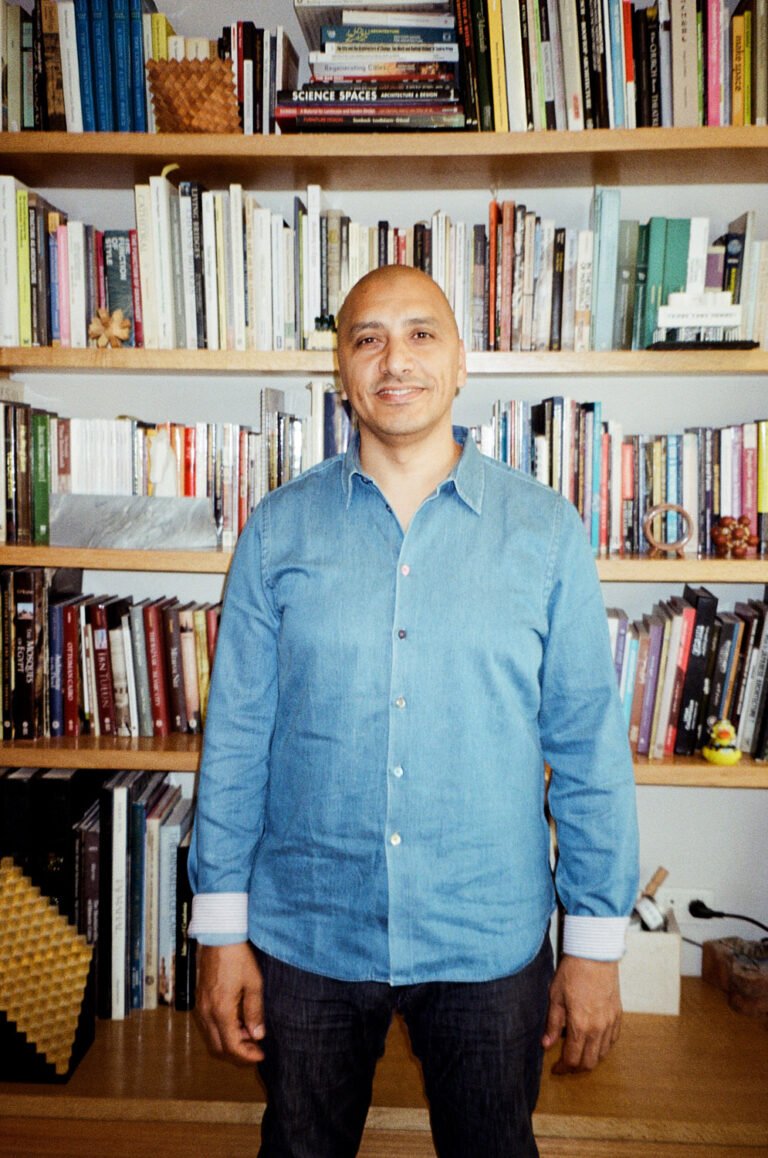
Waleed Arafa
In the world of design and architecture, the idea behind a successful design is fundamental. Whether the idea is clear or even relies on the absence of a…
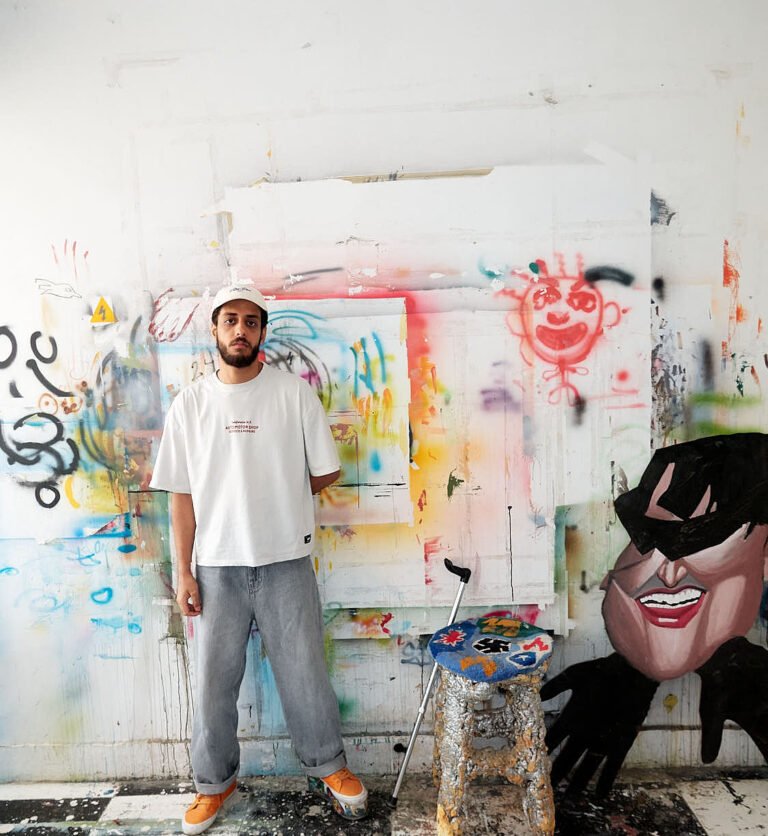
Omar Gabr
Omar Gabr, an Egyptian visual artist whose work spans painting, sculpture, and carpet design, always seeks to express himself through his art. A deeply personal experience reshaped his…
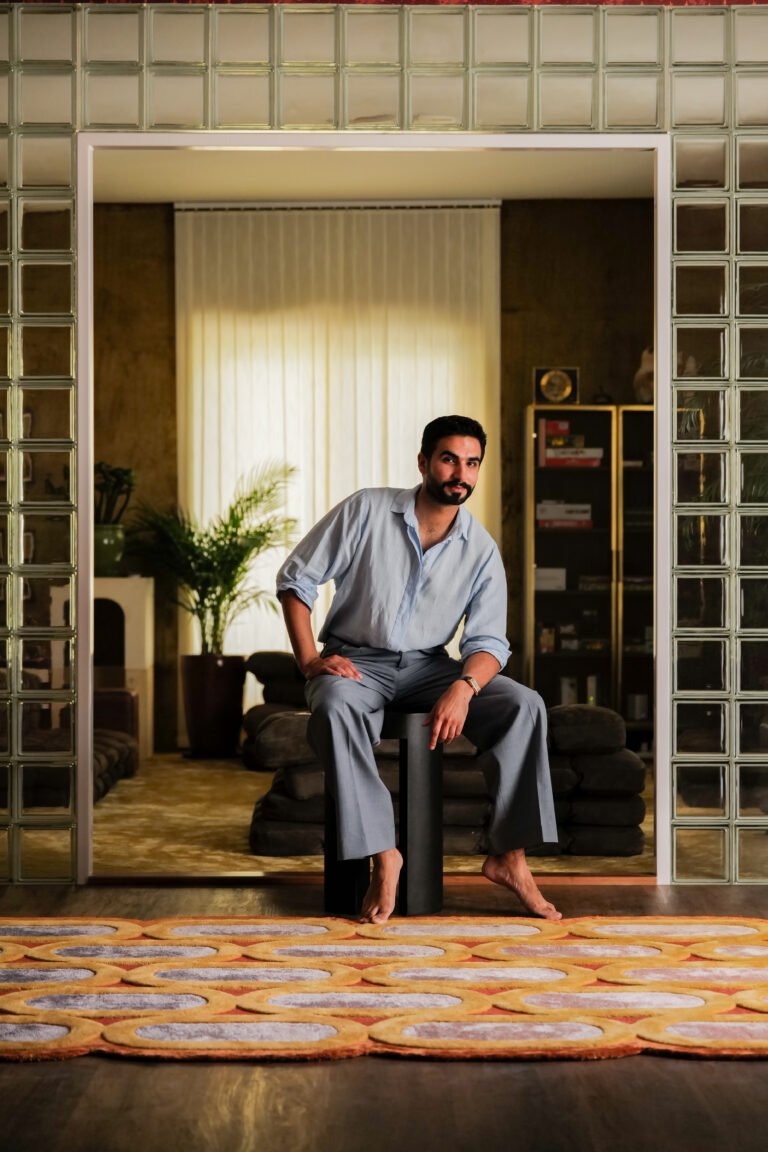
Omar Al Gurg
More than 1,000 designers, architects, and creative professionals from more than 50 countries came together for Dubai Design Week’s historic 10th edition to share ideas and showcase the…